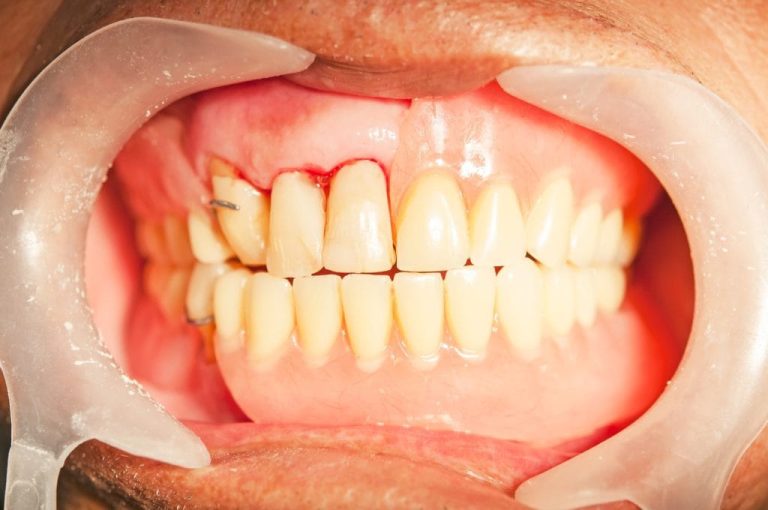
What is periodontitis and why it should not be ignored
Periodontitis, often known as "pyorrhea," is a chronic bacterial infection that affects the tooth-supporting tissues, namely the gums and alveolar bone. Unlike simple gingivitis, which is reversible, periodontitis is a deeper disease that, if left untreated, can lead to bone destruction and subsequent tooth loss, even if the teeth are apparently healthy. At Dental Vita, we consider periodontal health the essential foundation for any other dental treatment, as a tooth or implant can only last if it rests on a solid foundation.
Bleeding and Redness: The First Warning Signs
The first warning sign our body sends us is often bleeding gums while brushing or flossing. Many patients make the mistake of thinking this is normal or brushing less vigorously to avoid bleeding. In reality, healthy gums never bleed. If your gums appear swollen, dark red instead of pale pink, or if you experience widespread soreness, it's very likely that you have an inflammation that requires immediate professional attention.
Halitosis and Gum Recession: Symptoms of Progression
As the infection progresses, bacteria begin to create "periodontal pockets" between the tooth and the gum. A common symptom of this stage is persistent bad breath, caused by gas produced by bacteria that accumulates in these difficult-to-clean areas. You may also notice that your teeth appear "longer": this phenomenon is due to gum recession, or the shrinking of the tissues, exposing the root. In even more advanced stages, slight tooth mobility may appear, a sign that the supporting bone has already been partially compromised.
How to Intervene Immediately: Mechanical and Laser Therapy
Early intervention is essential to halt the disease. Dental Vita's preferred protocol involves the deep removal of tartar and subgingival plaque through root planing (scaling). In many cases, we supplement these procedures with the use of a dental laser, which allows for painless decontamination of periodontal pockets, eliminating the most aggressive bacteria and stimulating tissue regeneration. This combination of techniques often avoids more invasive surgical procedures in the future.
Prevention as a lifestyle and maintenance
Once periodontitis has stabilized, maintenance is the key to success. Periodontal patients require a more frequent professional hygiene plan (every 3 or 4 months instead of the typical 6) to monitor the condition of the pockets and prevent recurrence. Furthermore, managing external risk factors is essential: smoking, for example, is the gums' main enemy because it reduces tissue oxygenation and "hides" bleeding, making the disease more difficult to self-diagnose. Acting now means protecting not only your smile, but also your overall health.
