Invisalign vs. Traditional Braces: Which Should You Choose?
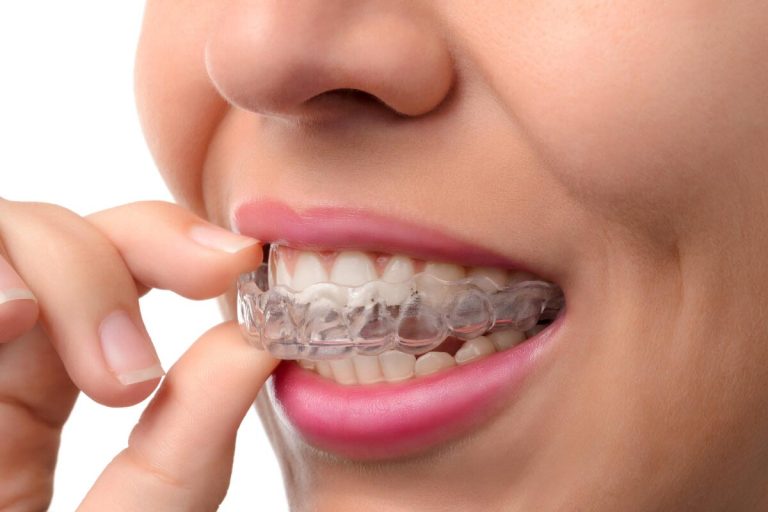
Smile Aesthetics During Treatment The most obvious difference between traditional orthodontics and the Invisalign system is the visual impact. Fixed braces use metal or ceramic brackets connected by a wire, making the treatment clearly visible. Invisalign, on the other hand, uses clear polymer aligners that are nearly invisible to the naked eye. This solution is the preferred choice for Dental Vita's adult patients who want to improve the alignment of their teeth without compromising their social or professional lives during treatment.
Comfort and Oral Irritation Traditional braces may initially cause minor discomfort, such as irritation of the cheeks or lips due to the protruding metal components. Invisalign offers a significantly more comfortable experience: the aligners are custom-made using 3D scanning, have rounded edges, and are metal-free. Although both systems apply the necessary pressure to move teeth, the gradual progression of Invisalign aligners tends to be perceived as less invasive than the monthly adjustments of fixed braces.
Oral hygiene and dietary freedom One of the great advantages of Invisalign is the ability to remove braces. This means you can eat any food without restrictions and, most importantly, brush and floss without any obstacles, maintaining optimal gum health. With traditional braces, however, certain hard or sticky foods are not recommended to prevent the brackets from coming loose, and cleaning requires specialized tools such as interdental brushes and thickened dental floss to reach areas under the metal arch.
Digital precision and predictable results Thanks to the CAD/CAM technology used in the clinic, Invisalign treatment is entirely computer-aided. Using ClinCheck software, patients can view a virtual simulation of tooth movements and the final result before even starting treatment. Traditional orthodontics relies more on the orthodontist's manual dexterity and clinical experience during check-ups. Both methods are extremely effective, but digital planning offers pinpoint precision in managing time and movement.
What's the right choice for your specific case? There's no single answer: the choice depends on the complexity of the clinical case and the patient's habits. While Invisalign is excellent for most misalignments and for those seeking discretion, traditional braces sometimes remain the most powerful tool for correcting extremely severe malocclusions or complex root movements. At Dental Vita, after a thorough case study, our specialists will guide you toward the solution that ensures the best balance between clinical effectiveness, aesthetics, and lifestyle.