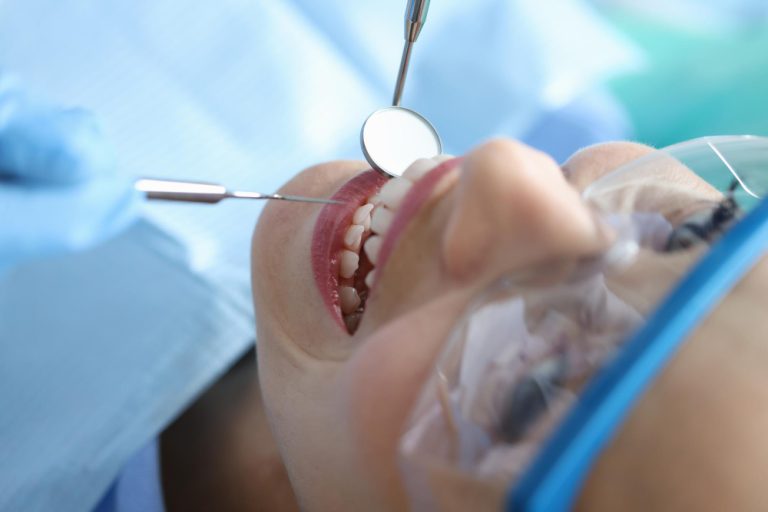
Why Pain Management Is Essential in Dentistry
Fear of pain is one of the main reasons many people put off dental care, often worsening their clinical situation. Modern dentistry has made enormous progress in pain management, making treatments much more comfortable than in the past. Ensuring a peaceful experience means not only eliminating pain during the procedure, but also reducing anxiety before and after the procedure. A relaxed patient cooperates better, experiences the appointment more calmly, and faces any future treatments with confidence.
The Main Types of Anesthesia Used Today
Modern anesthesia techniques allow treatment to be tailored to each patient's specific needs. Local anesthesia is the most common solution and allows pain to be eliminated in a specific area of the mouth while maintaining complete awareness. In cases of particular anxiety or more complex procedures, conscious sedation can be used, which induces a state of deep relaxation while maintaining patient cooperation. In selected situations, such as more extensive surgeries, deeper sedation may be indicated, always performed under medical supervision and with constant monitoring of vital signs.
Modern technologies for a more comfortable experience
Technological innovation has significantly improved the comfort of administering anesthesia. Today, very thin needles and devices that automatically adjust the injection speed are used, minimizing the sensation of pressure or discomfort. Furthermore, the preventive application of topical anesthetic gels makes the injection almost imperceptible. These solutions, combined with advanced clinical protocols and clear communication with the patient, transform the dental experience into a much more peaceful and controlled experience.
What to expect before, during, and after anesthesia
Before treatment, the dentist always takes a thorough medical history to assess any allergies, medical conditions, or medications being taken. During local anesthesia, the patient may feel a slight numbness that gradually spreads to the treated area. After the procedure, the anesthetic effect can last for several hours, during which time it is important to avoid chewing to avoid inadvertent trauma to the soft tissues. Carefully following post-operative instructions helps prevent discomfort and promotes faster healing.
Overcoming anxiety with a personalized approach
Beyond the technical component, pain management also involves psychological aspects. An open dialogue with the dentist allows you to express concerns and expectations, fostering a personalized treatment plan. Breathing techniques, detailed explanations of the operating steps, and a welcoming environment help reduce emotional tension. Knowing that effective solutions exist to eliminate pain helps patients avoid postponing treatment and maintain consistent oral health over time, making the dental visit a safe and manageable experience.
