A smile can tell stories about health, habits, and time. As we age, our teeth, gums, and facial structure change naturally. These changes may be subtle at first but can gradually affect both function and appearance.
Understanding how aging impacts your smile can help you take simple, preventive steps that keep it bright and healthy for years to come.
How Teeth Change Over Time
Teeth experience daily wear from chewing, speaking, and exposure to temperature changes. Over the years, enamel — the hard outer layer — becomes thinner, making teeth appear darker or more yellow. Microscopic cracks may also form, and old fillings or restorations can start to weaken.
Grinding and clenching, often unnoticed during sleep, can shorten teeth and flatten the natural curves that once gave your smile a youthful shape.
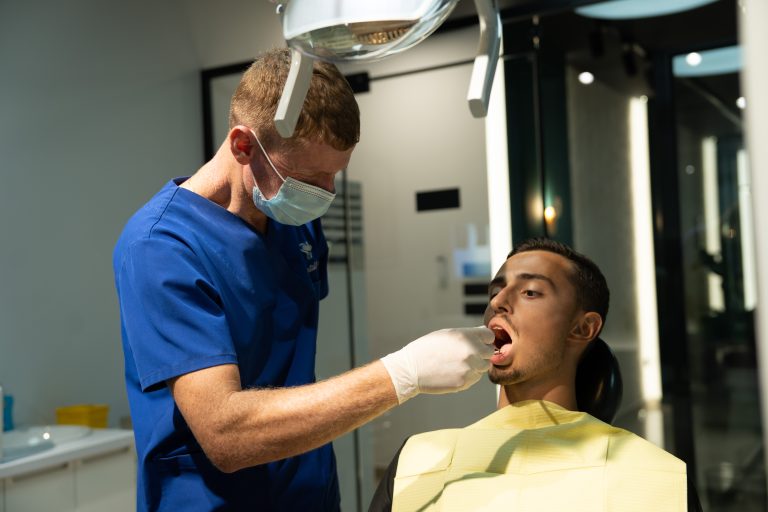
Regular dental visits, professional cleaning, and the use of high-quality materials in restorations can slow down these effects.
The Role of Gums in Smile Aging
Gums frame the teeth and play an important role in the balance of the smile. With age, gum tissue can recede, exposing the roots of the teeth and creating sensitivity or gaps that trap food.
This recession can result from brushing too hard, gum disease, or long-term inflammation. Maintaining gentle brushing habits and scheduling regular periodontal check-ups can help preserve gum health and color.
Healthy gums are not just about appearance — they’re essential for strong, stable teeth.
Bone and Facial Structure
Bone tissue naturally loses density over time. In the jaw, this process can lead to subtle but visible changes in the lower face, such as a shorter or more collapsed appearance around the mouth.
Tooth loss accelerates bone loss because the jawbone needs stimulation from chewing to stay strong. Replacing missing teeth with implants helps maintain bone volume and facial balance.
Changes in the Lips and Surrounding Muscles
The lips and muscles around the mouth also age. Collagen decreases, causing the lips to lose volume and the corners of the mouth to turn slightly downward. Combined with dental and bone changes, this can make the face look tired even when it’s not.
A healthy, supported dental structure can lift and rejuvenate facial features naturally — often without cosmetic procedures.
What You Can Do
Taking care of your smile as you age doesn’t have to be complicated. Consistency matters more than perfection.
Here are a few steps that make a lasting difference:
– Visit your dentist regularly for cleanings and early detection of small issues.
– Brush with a soft-bristled toothbrush and use fluoride toothpaste.
– Floss daily or use interdental brushes to clean between teeth.
– Avoid smoking and limit drinks that stain, such as coffee or red wine.
– Discuss with your dentist whether whitening, veneers, or implants could restore balance and harmony to your smile.
Final Thoughts
Aging is a natural process, but its effects on your smile can be managed with the right care.
By understanding what happens beneath the surface, you can make choices that protect your teeth, gums, and facial balance for the long term.
Your smile can stay confident and expressive at every stage of life.


